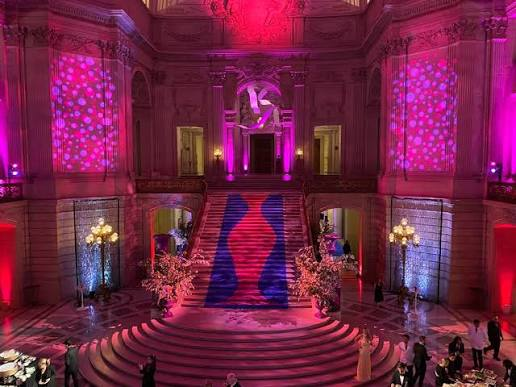
Stage lighting plays a major role in creating memorable experiences at weddings, parties, concerts, and live entertainment events. While music, decorations, and performances all contribute to the atmosphere, lighting brings these elements together and helps shape how guests experience a venue. From a romantic wedding entrance to an energetic dance floor, the right lighting can turn an ordinary space into something special.
Modern stage lighting offers far more than simple illumination. Different fixtures can produce focused beams, colourful washes, moving patterns, and dramatic effects that complement the mood of an event. Understanding how these lighting options work can help event planners, venue owners, DJs, and production teams create more engaging environments.
Why Stage Lighting Matters at Events
Lighting influences the way people see a stage, respond to a performance, and experience the atmosphere around them. A brightly illuminated stage naturally attracts attention, while softer lighting can create a relaxed and intimate setting. Event professionals use these effects to guide the audience’s focus and support the overall design.
At a wedding, for example, warm lighting can make the venue feel welcoming during dinner, while carefully directed beams can highlight the couple during their first dance. At a concert, changing colours and moving lights help build excitement as the music develops. Corporate events also benefit from effective stage lighting because it keeps speakers visible and draws attention to presentations.
A successful lighting setup considers the event’s purpose, venue size, audience, and schedule. Rather than using every available effect at once, lighting designers combine different fixtures to create a balanced visual experience.
Understanding the Main Types of Stage Lights
Different lighting fixtures perform different functions. Selecting the right combination is essential for achieving the desired result.
Spotlights for Important Moments
Spotlights produce concentrated beams that draw attention to a particular person, object, or area. They are useful when an event includes speeches, award presentations, theatrical performances, or special wedding moments.
A well-positioned stage spotlight can help keep a performer or presenter clearly visible even when the surrounding stage features colourful effects or darker backgrounds. Follow spotlights are particularly useful when a performer moves across the stage, as an operator can adjust the beam to maintain focus.
For weddings, spotlights can highlight the couple during their entrance, first dance, or cake-cutting ceremony. In live entertainment, they help audiences follow performers and recognise important moments without distraction.
Moving Head Lights for Dynamic Effects
Moving head lights can change their direction during a show, creating motion and variety across the stage. Depending on the fixture, they may produce narrow beams, wider washes, or shaped projections.
These lights are popular at concerts, DJ performances, nightclubs, and large celebrations because they allow lighting operators to coordinate movement with music. They can also be programmed to repeat specific patterns, making it easier to maintain consistency throughout a performance.
LED PAR Lights for Colour and Coverage
LED PAR lights are commonly used to illuminate backdrops, walls, dance floors, and stage areas. They can produce a range of colours and are useful for establishing the overall visual tone of a venue.
For instance, a wedding planner might use soft amber and warm white lighting for a reception, then introduce brighter colours when the dance floor opens. Their versatility makes LED PAR fixtures useful for smaller private parties as well as larger productions.
Beam Lights for Dramatic Visual Impact
Beam lights create narrow, concentrated shafts of light that can produce striking effects, especially in venues where atmospheric haze is appropriate and permitted. They are often used at music festivals, concerts, and high-energy entertainment events.
When coordinated with moving head fixtures and other effects, beam lights can create a sense of depth and movement. However, their intensity should be controlled carefully so that they enhance the show without making the audience uncomfortable.
Planning Lighting for Weddings and Parties
Every event has different lighting requirements. A wedding reception may need several lighting moods throughout the evening, while a birthday party or DJ event might prioritise colourful effects and dance-floor coverage.
The first step is to divide the venue into functional areas. These may include the main stage, dining area, entrance, dance floor, and backdrop. Each area can then receive lighting suited to its purpose. Soft illumination may work well around dining tables, while brighter and more dynamic effects can be reserved for the dance floor.
It is also important to consider the venue’s existing lighting, ceiling height, power supply, and mounting options. A small indoor venue may not require the same equipment as a large ballroom or outdoor festival. Careful planning helps avoid unnecessary fixtures and ensures that performers and guests remain comfortable.
For weddings, coordination with the photographer and videographer is particularly valuable. Lighting that looks attractive in person may create harsh shadows or inconsistent colours in photographs. Testing the setup before guests arrive can help the team identify and correct these issues.
Choosing Reliable Stage Lighting Equipment
When selecting stage lighting equipment, buyers should look beyond brightness alone. The most suitable fixtures depend on the venue, the type of performance, the available budget, and how frequently the equipment will be used.
Light output and beam control are important for larger venues, where fixtures may need to illuminate performers from a considerable distance. Colour consistency matters when several lights are used together, while smooth dimming helps create transitions that feel natural rather than abrupt.
Control compatibility is another consideration. Many professional lighting systems use DMX protocols to coordinate fixtures and create programmed scenes. Larger installations may also require network-based control, depending on the equipment and production design.
Durability and maintenance deserve attention as well. Event lighting may be transported regularly, installed and removed frequently, or operated for long periods. Buyers should review the manufacturer’s technical specifications, cooling design, warranty terms, and availability of replacement components before making a decision.
Manufacturers such as XMLITE offer a range of professional lighting products, including moving head lights, beam lights, LED PAR lights, and spotlights. Its website also provides information about customised lighting solutions for venues, entertainment productions, and event applications.
Creating Better Lighting Effects Through Coordination
The best results usually come from combining different fixtures instead of relying on a single type of light. A spotlight can keep the main performer visible, LED PAR lights can establish the background colour, and moving head fixtures can add movement when the music becomes more energetic.
Lighting cues should also follow the event schedule. During speeches, unnecessary movement and rapid colour changes can distract the audience. During a musical performance or dance sequence, more dynamic effects may be appropriate. These transitions help the lighting feel connected to the event rather than simply operating in the background.
Operators should also avoid directing intense beams into the eyes of performers or guests. Equipment must be securely installed, cables managed properly, and fixtures positioned according to venue safety requirements. For outdoor events, the equipment should be suitable for the expected weather and environmental conditions.
Conclusion
Stage lighting is an essential part of modern weddings, parties, concerts, and entertainment productions. The right combination of spotlights, moving head fixtures, LED PAR lights, and beam lights can improve visibility, support the event’s atmosphere, and make important moments more memorable.
By considering the venue, audience, lighting control system, and purpose of each fixture, event professionals can create setups that are both visually impressive and practical. Careful equipment selection and thoughtful coordination ensure that lighting enhances the experience without overwhelming it.