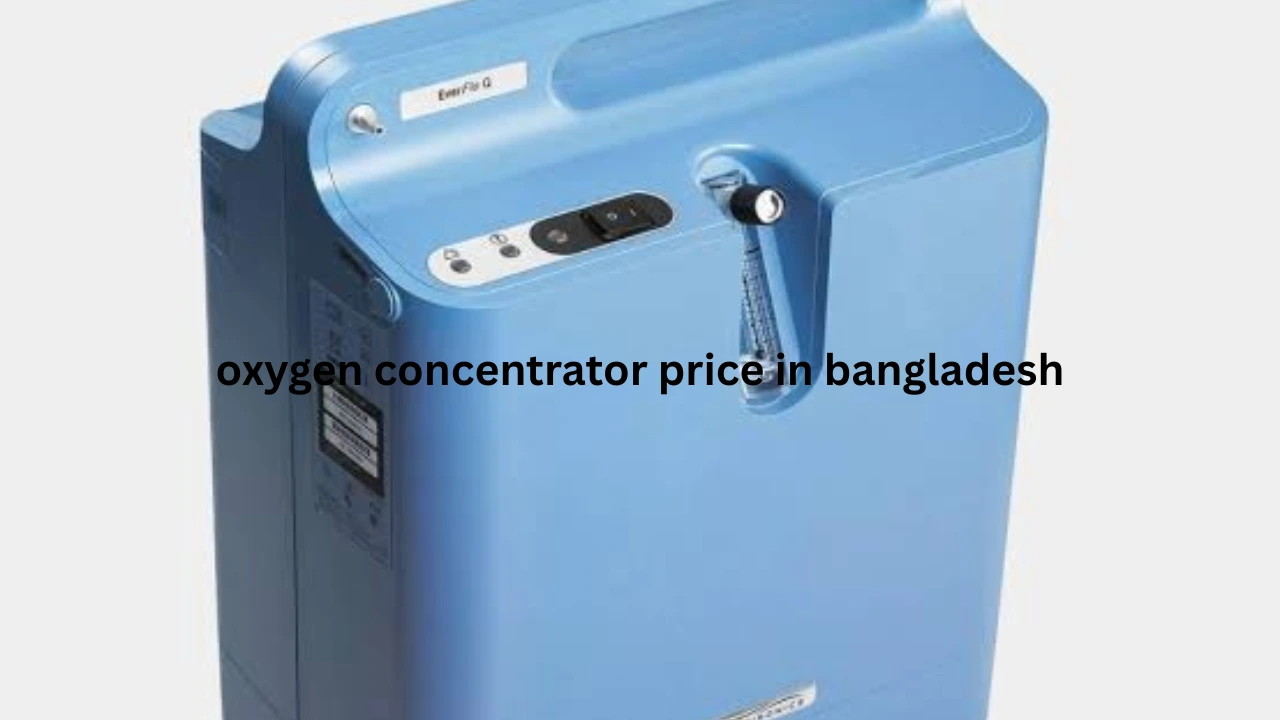
The oxygen concentrator price in Bangladesh depends mainly on the machine’s oxygen-flow capacity, whether it is stationary or portable, its condition, brand support, included accessories, and seller warranty. Prices can change quickly with import costs, exchange rates, supply conditions, and availability. Rather than relying on one advertised figure, compare the total cost of a suitable medical-grade device, including delivery, warranty, servicing, and compatible backup power.
An oxygen concentrator is not a general wellness appliance. It is medical equipment that supplies concentrated oxygen from room air, and the prescribed flow setting and use pattern should come from a qualified clinician. A lower-priced machine is not a good value if it cannot reliably meet the prescribed oxygen requirement.
You May Read: gazi kitchen sink price in bangladesh
Typical oxygen concentrator price ranges in Bangladesh
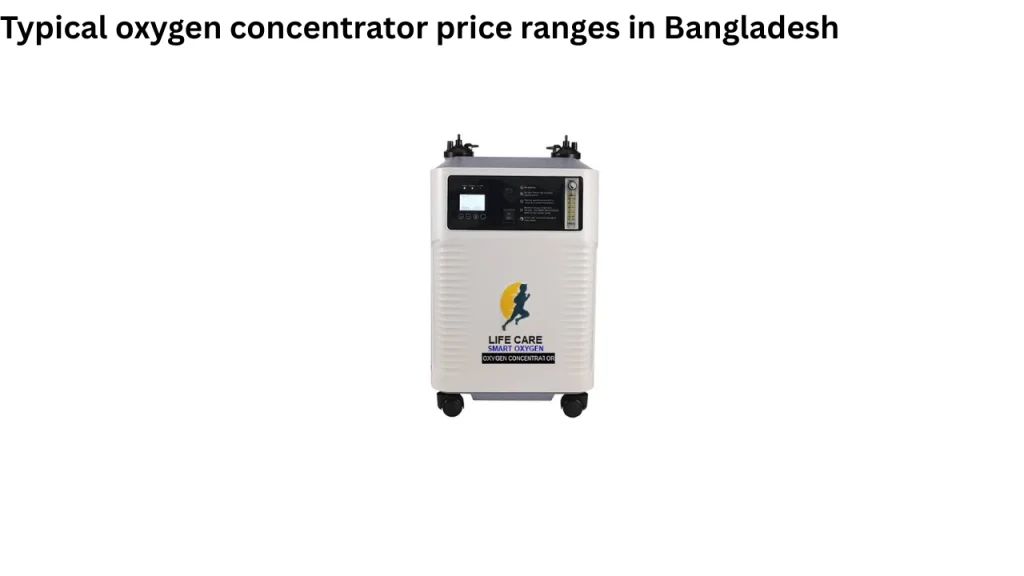
Exact retail prices vary by seller and can change without notice. In practice, a home concentrator with a lower flow capacity generally costs less than a higher-capacity unit, while portable battery-powered models usually cost substantially more than plug-in home machines. Used or refurbished units may have a lower upfront price but need closer inspection and a clear service history.
| Type of concentrator | Usual use | Relative price level | What to check |
|---|---|---|---|
| Stationary home unit | Regular use at home; normally mains-powered | Lower to mid-range | Prescribed flow range, oxygen concentration, hours of use, warranty, service access |
| Higher-flow stationary unit | People prescribed a higher continuous flow | Mid to higher range | Maximum continuous flow, electrical load, heat and noise, repair support |
| Portable concentrator | Travel and mobility; model-dependent | Higher range | Pulse-dose versus continuous flow, battery cost, battery duration, weight |
| Used or refurbished unit | Only when condition and output can be verified | Often lower upfront cost | Runtime hours, maintenance record, output test, return terms, replacement parts |
This is a comparison of price levels, not a fixed price list. Ask several established medical-equipment sellers for a written quotation on the same type of machine. Make sure each quote states the model, included items, warranty terms, and delivery charge. A listing that simply says “oxygen machine” may not reveal the details needed to compare it safely.
What changes the price most?
The first question is not “Which machine is cheapest?” It is “What flow and delivery mode has been prescribed?” The answer affects both the appropriate product category and its cost.
Oxygen flow capacity
Concentrators are commonly described by their maximum flow in litres per minute (LPM). A machine designed for lower flow needs is different from one intended to deliver higher continuous flow. Do not assume that a device with a high maximum number is automatically better; it must provide the prescribed setting reliably.
Ask the seller to state whether the quoted flow is continuous flow, pulse dose, or both. These are not interchangeable. Continuous-flow machines provide a steady stream, while pulse-dose portable devices release oxygen in measured bursts when they detect inhalation. A person prescribed continuous flow may not be adequately served by a pulse-dose-only device.
Stationary versus portable design
Stationary concentrators are intended to remain in one place. They usually plug into household power and are commonly chosen for home use. Portable concentrators are built for transport and typically add batteries, charging equipment, and a compact design. Those features raise the purchase price and can also increase the cost of replacement batteries.
Portability does not guarantee that a device can meet every prescription. Compare flow delivery, battery runtime at the prescribed setting, charging time, and the practical weight of the unit with its battery.
New, refurbished, and used condition
A new device may offer manufacturer-backed warranty coverage and a clearer maintenance baseline. Refurbished equipment can be reasonable only if the seller can explain what work was done and verify performance. A privately sold used machine can carry greater risk because filters, compressor condition, sieve beds, internal alarms, and actual output may be unknown.
For any non-new unit, request the operating-hour reading and ask whether its oxygen concentration has been checked using suitable test equipment. Avoid buying solely from a photo, a verbal assurance, or a very low price.
Warranty, parts, and local servicing
The sticker price is only part of the cost. A unit with accessible repairs, genuine consumables, and a meaningful warranty can be more economical than a cheaper import with no reliable after-sales support. Before payment, ask who handles repairs, what the warranty covers, whether transport to a service centre is included, and how long routine service may take.
Included accessories and delivery
Quotes can differ because one seller includes items that another bills separately. Confirm whether the price includes the nasal cannula, humidifier bottle if appropriate for the prescribed setup, tubing, filters, user manual, delivery, and installation or demonstration. Accessories are not a substitute for medical guidance, but they affect the final amount paid.
How to compare sellers safely
Compare like with like: the same flow capability, condition, warranty length, and included equipment. The most useful way to do this is to obtain written details rather than compare headline prices alone.
- Keep the prescription details available. Confirm the required flow, delivery mode, and intended hours of use with the prescribing clinician.
- Request the exact model number. A model number helps prevent a comparison between different capacities or between genuine and unclear products.
- Ask for an output demonstration. The seller should be able to explain the machine’s controls, alarm indicators, and the method used to verify oxygen output.
- Check warranty and repair arrangements. Get the warranty period, exclusions, service contact, and return conditions in writing.
- Calculate the full delivered cost. Include delivery, accessories, any installation charge, and likely battery costs for portable equipment.
- Keep the invoice and serial number. These records can matter for warranty, servicing, and proving what model was purchased.
Be cautious with sellers who will not identify the model, cannot explain whether the unit is continuous-flow or pulse-dose, promise medical results, or discourage questions about servicing. Medical equipment should come with clear instructions and a way to obtain support.
Do not confuse a concentrator with an oxygen cylinder
An oxygen concentrator extracts oxygen from surrounding air and requires electrical power. An oxygen cylinder stores compressed oxygen and needs refilling or replacement when empty. Neither is automatically the right choice for every person or setting.
| Point of comparison | Oxygen concentrator | Oxygen cylinder |
|---|---|---|
| Oxygen source | Concentrates oxygen from room air | Contains stored compressed oxygen |
| Power requirement | Needs electricity; some portable units use batteries | Does not need mains power to deliver oxygen |
| Ongoing practical need | Electricity, cleaning, filters and servicing as specified | Refilling or cylinder exchange and safe handling |
| Main planning issue | Reliable power and device performance | Supply, transport, storage and refill availability |
In areas with power interruptions, discuss an emergency plan with the clinician and equipment provider. A backup arrangement may be necessary, but the correct option depends on the oxygen prescription, expected duration of outages, and safety requirements. Do not modify equipment or improvise a backup setup without professional direction.
Running costs and practical ownership issues
Buying the unit is only the beginning. A home concentrator uses electricity, and the actual cost depends on the machine’s power consumption, daily operating hours, and local electricity tariff. Check the product label or manual for electrical requirements instead of estimating from another model.
Follow the manufacturer’s instructions for routine cleaning and filter care. Poor maintenance can reduce performance or cause faults. Use only compatible parts and approved accessories. If the machine has an alarm, displays an error, runs unusually hot, makes a changed sound, or is suspected of producing inadequate oxygen, stop relying on it as the sole solution and contact the supplier or a qualified service provider promptly.
Plan the placement of a stationary unit as well. It needs a stable, well-ventilated location away from curtains, heat sources, smoke, and open flames. Oxygen supports combustion, so smoking and flames must be kept away from oxygen equipment and oxygen in use. Keep the power cord and tubing arranged to reduce trip hazards.
Choosing the right machine without overspending
The best value is a device that safely meets the prescribed need, can be maintained locally, and fits the household’s power and mobility situation. Paying for unused capacity or portability may not help, but buying below the required capacity can be unsafe.
- Match the device to the prescribed flow and delivery mode.
- Choose continuous-flow capability only when it is required, not simply because it sounds more powerful.
- For travel, check real battery needs at the prescribed setting rather than relying on maximum advertised runtime.
- Prioritize a documented warranty and repair path over an unexplained bargain.
- Ask about replacement filters, batteries, and other consumables before purchasing.
- Consider power reliability and discuss an approved backup plan where needed.
Do not change the oxygen setting to conserve electricity or extend a portable battery. The setting should follow the clinician’s instruction. If the prescribed treatment no longer seems manageable with the equipment available, contact the healthcare team rather than adjusting it independently.
Questions to ask before paying
- What is the exact make and model?
- Is it new, refurbished, or used?
- What continuous-flow range does it provide, and does it also use pulse dose?
- How is oxygen output checked before handover?
- What accessories are included in the written price?
- What is covered by the warranty, and who performs repairs?
- Are replacement filters, batteries, and parts available locally?
- What are the electrical requirements and recommended operating conditions?
- What support is available if the unit alarms or fails?
Frequently asked questions
How much does an oxygen concentrator cost in Bangladesh?
There is no single reliable amount because capacity, portability, condition, brand support, and supply conditions vary. Stationary home models generally cost less than portable battery-powered models, while higher-flow equipment and units with stronger after-sales support can cost more. Obtain current written quotes for the exact prescribed type.
Is a portable concentrator always better?
No. It may be useful for mobility, but many portable devices use pulse-dose delivery and may not provide the same type or amount of oxygen as a continuous-flow home unit. Suitability depends on the prescription and clinical advice.
Can I buy a used oxygen concentrator to save money?
Only with care. Check its operating hours, service history, output verification, alarm function, parts availability, and return or warranty terms. A used unit with unverified performance can create a serious safety risk.
Does an oxygen concentrator work during a power cut?
A standard stationary unit normally stops when mains power is unavailable. Some portable models run on batteries for a limited period, but runtime depends on the model and setting. Discuss an appropriate power-outage plan with the clinician and supplier before relying on the equipment.
Can I use an oxygen concentrator without a doctor’s advice?
Oxygen therapy should be prescribed and monitored by a qualified clinician. Too little oxygen may be ineffective, while unnecessary or incorrectly delivered oxygen can also be harmful for some people.
Making a sensible purchase
The oxygen concentrator price in Bangladesh should be judged as a total value decision, not a single number. Start with the prescribed oxygen requirement, then compare clearly identified models, verified output, written warranty terms, local service, included accessories, and a safe backup plan for power interruptions. This approach helps avoid both unsuitable low-cost equipment and unnecessary spending on features that do not match the user’s needs.
People Also Read: bedsheet price in bd