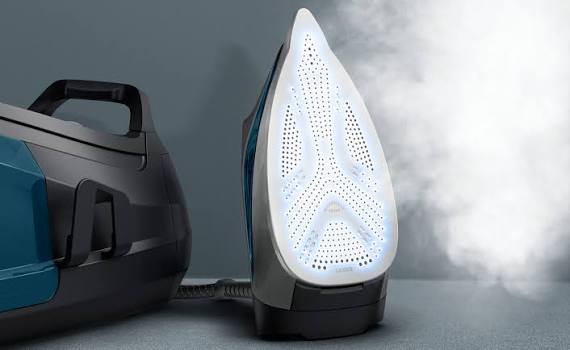
Freshly pressed garments reveal more than appearance. They reflect how fibers respond under heat and moisture. Advanced steam systems work deeper than surface wrinkle removal. They soften yarns, ease tension within cloth, and help garments retain their intended shape. Across hospitality, apparel production, and laundry operations, a professional steam ironing system delivers cleaner finishes while treating materials with greater care.
Steam Reaches Beyond Surface Wrinkles
Heat alone can flatten creases, yet fibers remain stressed. Steam enters fabric layers before pressure touches cloth. As moisture loosens compressed threads, wrinkles release with less resistance.
A cotton shirt offers a practical example. Deep fold marks disappear faster when steam penetrates evenly. Linen responds similarly, though its thicker weave benefits even more. Better penetration means reduced strain during finishing.
Why Do Fibers Respond Better To Steam?
Fabric contains countless interlocked threads under tension. Creases form when those threads stay compressed for extended periods. Steam relaxes those compressed areas before pressing begins.
Rather than forcing material flat through direct contact, moisture creates flexibility within the weave. Silk keeps its smooth appearance. Wool maintains loft across textured surfaces. Delicate garments receive gentler treatment while retaining their original character.
Key advantages include:
- Lower risk of fabric glazing
- Less pressure during finishing
- Improved handling across delicate textiles
- Cleaner appearance after pressing
Precision Controls Create Better Results
Modern equipment offers far greater control over treatment conditions. Operators can adjust temperature levels, steam delivery, and pressure settings according to textile requirements.
In a professional steam ironing system, these adjustments allow tailored care across varied materials. Heavy cotton uniforms require different settings than lightweight blouses. Proper calibration helps preserve seams, decorative elements, and specialty finishes while producing a polished appearance.
Practical outcomes include:
- Sharper collars and cuffs
- Better seam definition
- Reduced fabric distortion
- Smoother decorative panels
- Improved garment presentation
Fabric Variety Demands Smarter Technology
Every textile behaves differently under heat exposure. Polyester reacts differently than wool. Linen responds differently than satin.
Steam technology accommodates those differences without requiring excessive temperature increases. A hotel may process sheets, tablecloths, and staff uniforms during one shift. Consistent steam delivery helps maintain quality across each category.
For garment manufacturers, reliable finishing improves presentation before products reach customers. Appearance influences perception long before fabric performance becomes noticeable.
What Additional Benefits Come From Steam Treatment?
Wrinkle removal represents only one advantage. Steam refreshes materials through controlled heat and moisture exposure. Odors trapped within fibers often release during treatment.
Additional benefits include:
- Fresher presentation after storage
- Softer hand feel
- Better drape across garments
- Enhanced visual texture recovery
Curtains provide a useful example. Steam helps restore appearance after packaging compression without aggressive handling. Similar benefits appear across uniforms, bedding, and specialty apparel.
The Difference Shows In Daily Use
Performance becomes visible after repeated care cycles. Fibers exposed to balanced moisture and heat maintain appearance longer. Garments retain structure across regular use.
A sharply pressed collar illustrates this difference. Excessive dry heat can harden fabric edges over time. Steam-assisted finishing produces crisp results while preserving flexibility. Small details such as seam smoothness and texture retention reveal why advanced systems remain valuable across professional environments.
Questions People Often Ask
Does steam work for delicate fabrics?
Yes. Appropriate settings help protect silk, wool, and lightweight blends during finishing.
Can steam improve garment lifespan?
Reduced fiber stress helps materials maintain appearance through repeated care cycles.
Is steam useful for commercial operations?
Yes. Hotels, laundries, and apparel facilities benefit from faster, more consistent finishing.
Why does steam remove wrinkles faster?
Moisture softens compressed fibers before pressure reshapes the fabric structure.
Protecting Fabrics Beyond Wrinkle Removal
Pressed garments reveal more than wrinkle-free surfaces. Steam reaches beneath visible creases, affecting how threads settle within the weave. A collar retaining flexibility after hundreds of finishing cycles demonstrates this advantage clearly. When fibers experience balanced moisture instead of excessive direct heat, clothing keeps its intended shape longer, helping businesses and consumers protect textile quality beyond simple appearance.