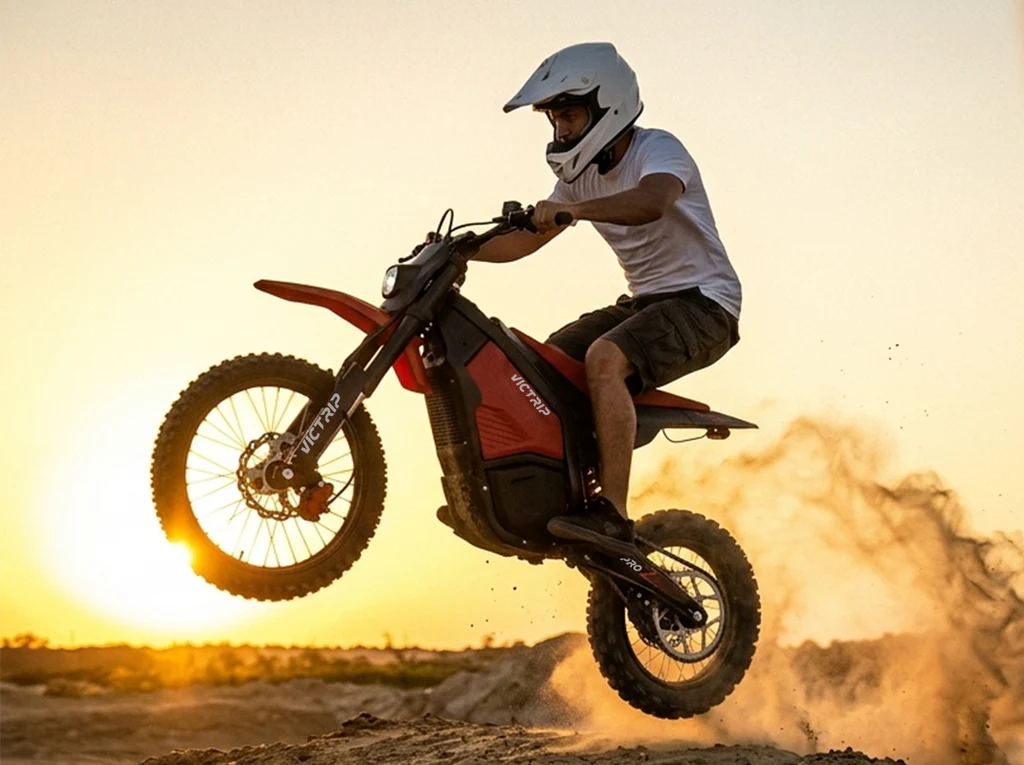
Few things are more disappointing than planning an off-road ride only to discover your bike cannot travel as far as you expected. Many riders assume the advertised Electric Dirt Bike Range reflects what they will experience on every trail, but real-world performance is influenced by much more than battery size alone. Riding style, terrain, weather, rider weight, and routine maintenance all play important roles in determining how much distance a single charge can deliver.
Understanding these factors can help you set realistic expectations and make practical adjustments that improve efficiency without expensive upgrades. This guide explains why your electric dirt bike may fall short of its advertised range and shares proven ways to maximize battery performance while enjoying a safer, more consistent riding experience.
Why Doesn’t My Electric Dirt Bike Deliver the Expected Range?
Most electric dirt bikes deliver less range than advertised because manufacturer estimates are measured under controlled conditions. Real-world factors such as steep terrain, aggressive acceleration, rider weight, tire pressure, battery condition, and weather all increase energy consumption. By understanding these variables, riders can improve efficiency and achieve more consistent riding distances.
Understanding How Electric Dirt Bike Range Is Measured
When manufacturers publish an estimated riding range, the number is typically based on standardized testing rather than demanding off-road conditions. These tests often use a fully charged battery, an average-sized rider, consistent speeds, flat terrain, and favorable weather. Because each variable is carefully controlled, the published figure represents an ideal scenario instead of an everyday guarantee.
Real riding conditions are rarely that predictable. Steep hills require the motor to work harder, loose surfaces create additional resistance, and frequent acceleration consumes more battery power than maintaining a steady pace. Even environmental conditions such as strong winds or colder temperatures can reduce battery efficiency. For this reason, riders should view the advertised range as a helpful benchmark rather than an exact prediction.
Comparing battery capacity, motor efficiency, and intended riding conditions provides a more accurate picture of expected performance than focusing on a single range estimate. Understanding how these figures are measured helps riders make informed decisions and avoid unrealistic expectations before heading onto the trail.
Common Reasons Your Electric Dirt Bike Doesn’t Deliver the Expected Range
Several everyday factors can significantly reduce riding distance, even when your battery is fully charged. In many cases, reduced range is not caused by a fault but by how and where the bike is being used. Identifying these factors is the first step toward improving efficiency and getting the most from every charge.
Aggressive Throttle Use and High Speeds
Rapid acceleration is one of the fastest ways to drain an electric dirt bike battery. Every time the throttle is opened aggressively, the motor draws a larger amount of power to deliver quick acceleration. While this provides exciting performance, it also increases energy consumption and shortens the overall riding distance.
Maintaining high speeds for extended periods has a similar effect. The faster the bike travels, the harder the motor works to overcome rolling resistance and air resistance, requiring more electricity from the battery. Smoother acceleration, steady speed, and gradual throttle control often improve efficiency while creating a more predictable riding experience, especially on longer off-road adventures.
Challenging Terrain and Trail Conditions
The type of terrain you ride has a major influence on battery performance. Smooth dirt roads generally require less energy than technical trails filled with rocks, steep climbs, mud, loose gravel, or deep sand. Each obstacle forces the motor to work harder, increasing power demand and reducing the total distance you can travel on a single charge.
Frequent elevation changes also contribute to higher battery usage. Climbing long hills requires sustained motor output, while uneven terrain often involves repeated acceleration, braking, and speed adjustments that consume additional energy. Riders who spend most of their time exploring demanding off-road routes should expect shorter riding distances than those traveling across flatter, more predictable surfaces. Understanding how trail conditions affect battery performance allows riders to better estimate realistic range before every trip.
Rider Weight and Extra Cargo
The combined weight of the rider and any additional cargo has a direct impact on how hard the motor must work. A heavier load requires more power during acceleration, hill climbing, and riding across rough terrain, leading to faster battery consumption. While modern electric dirt bikes are designed to carry a range of rider weights, exceeding the recommended load capacity can noticeably reduce riding distance.
Extra gear such as tool bags, camping equipment, or protective accessories may seem insignificant on their own, but together they can increase the bike’s overall weight. Carrying only essential items and staying within the manufacturer’s recommended limits can help improve efficiency without affecting safety or performance.
Incorrect Tire Pressure
Tire pressure is often overlooked, yet it plays an important role in battery efficiency. Underinflated tires create greater rolling resistance, forcing the motor to use more energy to maintain speed. This increased workload reduces the overall riding range and may also lead to uneven tire wear.
Overinflated tires are not an ideal solution either, especially for off-road riding where reduced traction can affect handling and comfort. Checking tire pressure before every ride and adjusting it according to the manufacturer’s recommendations helps achieve a better balance between grip, stability, and battery performance. A simple pressure check only takes a few minutes but can contribute to more consistent riding distances.
Extreme Weather Conditions
Battery performance is closely linked to temperature. Cold weather slows the chemical reactions inside lithium batteries, temporarily reducing their ability to deliver power efficiently. As a result, riders may notice shorter range and lower performance during winter rides, even when the battery is fully charged.
Hot weather presents different challenges. Extended exposure to high temperatures can place additional stress on the battery and may affect its long-term health if proper cooling and storage practices are ignored. Whenever possible, store the battery in a dry location with moderate temperatures and avoid leaving it in direct sunlight for extended periods. Maintaining suitable operating conditions helps preserve both battery efficiency and service life.
Battery Age and Natural Degradation
Every lithium battery gradually loses capacity as it ages. Charge cycles, storage conditions, and everyday usage all contribute to this natural process. Over time, the battery stores less energy than when it was new, which means the riding distance on a full charge slowly decreases.
Although battery degradation cannot be completely prevented, proper maintenance can slow the process. Following recommended charging practices, avoiding frequent deep discharges, and protecting the battery from extreme temperatures all support longer-lasting performance. If a well-maintained battery suddenly experiences a significant drop in range, it may be worth having it professionally inspected to identify any underlying issues.
How to Improve Electric Dirt Bike Range Without Expensive Upgrades
Improving your electric dirt bike range often starts with smarter riding habits instead of expensive upgrades. Smooth throttle control, gradual acceleration, and maintaining a consistent speed can reduce unnecessary battery consumption during longer rides. Choosing the right riding mode for different terrain conditions also helps improve efficiency, as higher-performance settings usually require more power from the battery.
Regular maintenance also plays an important role in maximizing battery performance. Keeping tires properly inflated, cleaning and lubricating the drivetrain, checking brake resistance, and reducing unnecessary weight can help the motor work more efficiently. Some manufacturers, including VICTRIP, provide estimated riding ranges based on standardized testing, helping riders compare expected performance with real-world conditions.
When choosing an electric dirt bike, riders should consider battery capacity, motor efficiency, and practical riding needs. Models such as the VICTRIP R7 Pro are often evaluated based on these factors rather than maximum range claims alone.
Charging and Battery Maintenance Best Practices
Proper battery care is one of the most effective ways to maintain consistent performance and maximize the lifespan of your electric dirt bike. While all lithium-ion batteries gradually lose capacity over time, following recommended charging and storage practices can slow this natural process. Good maintenance not only helps preserve battery health but also ensures more reliable riding distances throughout the life of the bike.
Avoid allowing the battery to fully discharge after every ride unless the manufacturer specifically recommends it. Likewise, keeping the battery connected to the charger long after it has reached full capacity should also be avoided. Always use the charger designed for your battery, keep charging ports clean and dry, and inspect electrical connectors for dirt, corrosion, or damage. If the bike will be stored for an extended period, place the battery in a cool, dry location at the recommended storage charge level. These simple habits can significantly improve long-term battery performance.
What Is a Realistic Electric Dirt Bike Range?
There is no single range figure that applies to every rider because actual performance depends on how and where the bike is used. Factors such as battery capacity, motor efficiency, rider weight, terrain, weather conditions, riding mode, and maintenance all influence how far an electric dirt bike can travel on a single charge. Even two riders using the same model may experience different results under different conditions.
Instead of treating the advertised range as a guaranteed distance, consider it a benchmark measured under ideal testing conditions. Riders who maintain moderate speeds on smoother trails will generally achieve better results than those riding aggressively across steep hills, sand, mud, or rocky terrain. Understanding these variables helps set realistic expectations and allows riders to plan longer trips with greater confidence.
When Reduced Range Indicates a Bigger Problem
A gradual reduction in battery range is a normal part of battery aging, but sudden or severe performance loss may point to a mechanical or electrical problem. If your riding distance decreases dramatically without any significant change in riding habits or trail conditions, it is worth investigating further.
Additional warning signs include excessive battery heat, unusually long charging times, unexpected power loss, repeated error messages, battery swelling, or visible damage to charging ports and electrical connections. Continuing to ride with these symptoms may affect both performance and safety. Having the bike inspected by a qualified technician can help identify problems early and prevent more expensive repairs in the future.
Quick Electric Dirt Bike Range Improvement Checklist
- Check tire pressure before every ride.
- Accelerate smoothly instead of using full throttle.
- Ride in the appropriate power mode for the terrain.
- Keep the drivetrain clean and properly lubricated.
- Reduce unnecessary cargo whenever possible.
- Charge and store the battery according to the manufacturer’s recommendations.
- Inspect the brakes regularly to ensure they are not creating unnecessary resistance.
Conclusion
Getting less riding distance than expected does not automatically mean there is something wrong with your electric dirt bike. In most cases, real-world factors such as terrain, speed, rider weight, weather, battery condition, and maintenance have a much greater influence on range than many riders realize.
By understanding how these variables affect battery performance and adopting better riding and charging habits, you can improve efficiency without investing in costly upgrades. Setting realistic expectations and performing regular maintenance will help you enjoy more reliable performance on every ride.
If you are comparing different models, VICTRIP offers detailed battery specifications and product information that can help you better understand expected performance before making your decision.
FAQ
1. Why is my electric dirt bike range lower than expected?
The electric dirt bike range can be lower due to terrain, riding style, rider weight, tire pressure, weather, and battery condition.
2. How can I improve the electric dirt bike range?
You can improve range by riding smoothly, maintaining proper tire pressure, reducing extra weight, and following good battery care practices.
3. Does cold weather reduce electric dirt bike range?
Yes. Cold temperatures can reduce battery efficiency and temporarily lower riding distance.
4. How far can an electric dirt bike go on one charge?
Range depends on battery size, riding conditions, terrain, speed, and maintenance.
5. When should I replace my electric dirt bike battery?
A battery may need replacement when it shows sudden range loss, charging issues, overheating, or reduced performance.