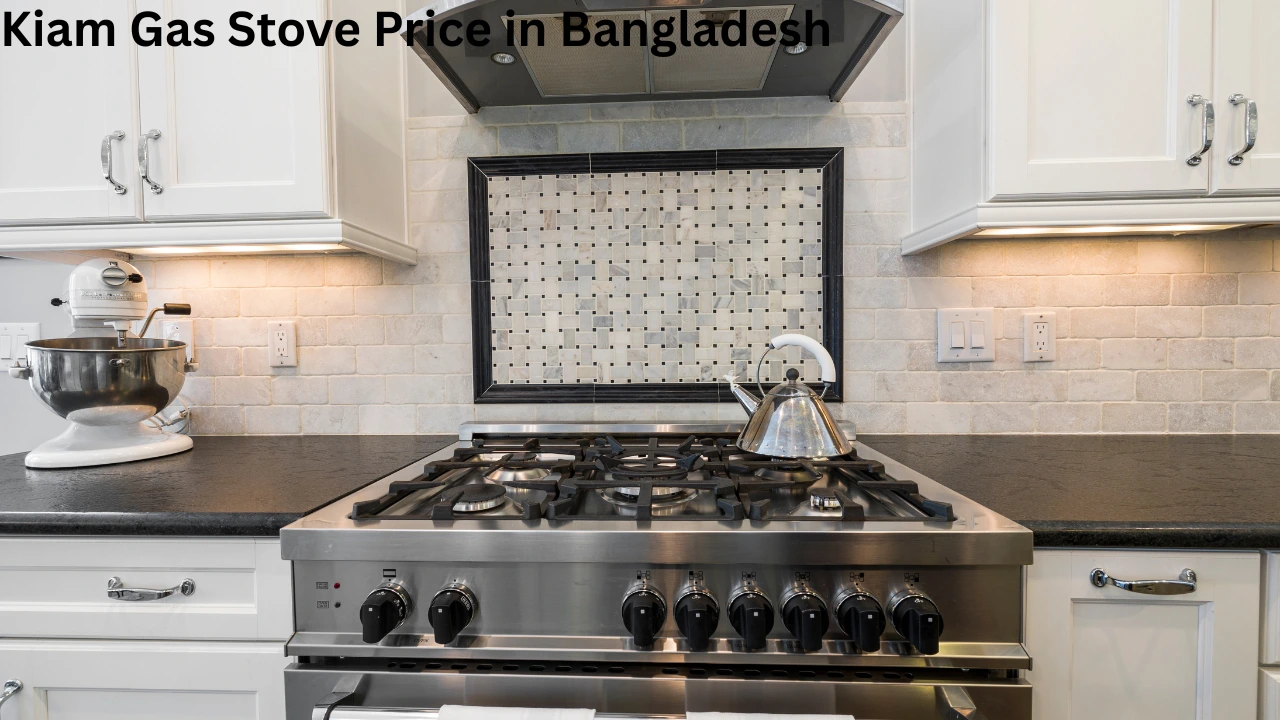
The Kiam gas stove price in Bangladesh is not one fixed amount. It depends mainly on the stove type, number of burners, body material, ignition system, included accessories, and the retailer. A basic single-burner model will usually cost less than a two- or three-burner stove with an automatic ignition, glass top, or heavier stainless-steel construction. Because appliance prices and stock can change, confirm the current price, warranty terms, and product details with an authorized seller or a reliable local retailer before placing an order.
Price alone should not decide the purchase. A gas stove is used daily and involves heat, flame, and a gas connection, so burner performance, stability, build quality, and safety matter just as much as the listed cost.
You May Read: 12v 200ah battery price in bangladesh
What affects Kiam gas stove prices in Bangladesh?

The quickest way to compare Kiam gas stoves is to compare like with like. Two products may look similar in a photo but have different burner counts, top materials, or ignition systems. Those differences can affect both the purchase price and long-term convenience.
| Price factor | Why it can change the cost | What to check |
|---|---|---|
| Number of burners | More burners generally require a larger body and additional gas controls. | Choose one, two, or more burners based on how many pots you normally use at once. |
| Top and body material | Glass, stainless steel, and painted metal have different finishes, cleaning needs, and construction costs. | Check thickness, edge finishing, pan support, and ease of cleaning. |
| Ignition type | Manual ignition and built-in ignition systems differ in parts and convenience. | Confirm whether a battery, electricity, or a separate lighter is required. |
| Burner design | Burner size and construction can influence flame coverage and durability. | Look for a stable, even blue flame after proper installation. |
| Included items | A hose, regulator, lighter, or other accessory may or may not be part of the package. | Ask exactly what is included rather than assuming. |
| Seller and warranty | Retailers may offer different prices, delivery charges, and warranty handling. | Request an invoice and read the warranty conditions. |
A low price can be suitable for a simple cooking need, but it should not mean accepting loose controls, an unstable pan support, visible damage, or unclear product information. Compare the complete value rather than only the headline price.
Choose the right burner count before comparing prices
Burner count is often the most practical starting point. It affects kitchen space, cooking speed, gas control, and the usual price range within a product line.
Single-burner stoves
A single-burner stove suits a small household, a hostel room where gas appliances are permitted, a tea station, or a backup cooking setup. It takes less counter space and is usually the simplest option. It may feel limiting for a family that needs to cook rice, curry, and frying items at the same time.
Two-burner stoves
A two-burner gas stove is a common choice for everyday household cooking because it allows two pots to be used together. Before buying, measure the available counter space and consider the size of the cookware used at home. A very compact stove may not comfortably hold two large pans side by side.
Three-burner and larger options
A stove with three burners can reduce waiting time in a busy kitchen. It is best considered when there is enough counter depth, a suitable cooking routine, and adequate ventilation. The added size and extra controls can make it cost more than a basic one- or two-burner model.
Manual ignition versus built-in ignition
Manual-ignition stoves need an external gas lighter or match, while built-in ignition stoves create a spark through an integrated mechanism. Neither type is automatically better for every home; the best option depends on convenience, maintenance expectations, and the exact product design.
Manual ignition is straightforward. There are fewer integrated ignition components, and many users are already comfortable using a separate lighter. The stove should still have smooth control knobs and reliable gas flow.
Built-in ignition can be convenient because the user turns a knob and creates a spark without reaching for a lighter. Ask the seller how the ignition is powered and whether it needs a battery. Test the ignition, if possible, before accepting the product. Regardless of ignition type, turn the control off fully after cooking and never keep trying to light a burner if there is a smell of gas.
Glass-top and stainless-steel gas stoves
Top material changes the look, cleaning routine, and buying decision. It should be evaluated along with the stove’s overall construction, not as a stand-alone sign of quality.
Glass-top models
Glass-top stoves can give a clean, modern appearance and may be easy to wipe after cooking. They need careful handling. Avoid dropping heavy cookware on the surface, and do not use a damaged stove. Follow the maker’s instructions on cookware placement, cleaning, and heat use.
Stainless-steel models
Stainless-steel stoves are often chosen for a more traditional kitchen setup and practical appearance. They may show water marks or fingerprints, but regular wiping can keep the surface presentable. Check that the metal edges are neatly finished and that the body does not flex excessively when light pressure is applied.
For either type, examine the pan supports. They should sit firmly, support your usual pots without rocking, and allow enough room for the flame to reach the bottom of the cookware rather than climbing the sides.
How to check the current Kiam gas stove price in Bangladesh
For an accurate current price, identify the exact model first and then compare the same model across trustworthy sellers. A product name alone may be too broad, especially if there are several burner configurations or finishes.
- Decide whether you need a single-, two-, or three-burner stove.
- Ask for the model name or code, burner configuration, and ignition type.
- Confirm whether the displayed amount includes delivery, installation, or any accessories.
- Compare the final payable amount from more than one established seller.
- Check the invoice, warranty coverage, exchange policy, and service contact details.
- Inspect the sealed package, glass or metal body, knobs, burner caps, and pan supports at delivery or pickup.
Online listings can be useful for comparing options, but a listing should be read closely. Product images can be generic, old stock may remain visible, and the shown amount may not include delivery. If the listing does not clearly state the model, burner count, and warranty, contact the seller before paying.
Questions to ask a seller before buying
A few direct questions can prevent confusion between similar-looking products and help you compare prices fairly.
- What is the complete model name or model code?
- How many burners does this stove have, and what type of ignition does it use?
- Is the top glass, stainless steel, or another material?
- Which items are included in the box?
- Does the stated price include delivery or installation?
- What warranty is offered, who provides it, and what parts does it cover?
- What should be done if the product arrives damaged or has a manufacturing fault?
- Is the stove intended for the gas supply setup used in the home?
Do not rely only on verbal assurances. Keep the invoice, warranty card, and any written product description. These records make it easier to identify the product later if service is needed.
Safety checks that matter more than a small price difference
A gas stove should be installed and used according to the manufacturer’s instructions and local safety practice. If you are uncertain about connecting a cylinder, regulator, hose, or stove, seek help from a qualified gas appliance technician or the gas supplier’s service channel.
- Place the stove on a stable, level, heat-resistant surface.
- Keep paper, cloth, oil containers, aerosols, and other flammable items away from the flame.
- Ensure the kitchen has ventilation and do not use the stove in an enclosed, unventilated space.
- Use the correct regulator and a suitable hose in good condition.
- Keep the hose away from hot surfaces, sharp edges, and areas where it can be crushed.
- Check connections for leaks using the safe method recommended by the appliance or gas supplier; never test with a flame.
- Turn off the burner controls after use and follow the gas supplier’s advice on cylinder valve handling.
If you smell gas, do not light a match, operate electrical switches, or try to ignite the stove. Turn off the gas supply if it is safe to do so, ventilate the area, keep ignition sources away, and contact the appropriate supplier or qualified technician.
How to get better value from a gas stove purchase
The best value is a stove that fits the household’s cooking habits and remains safe and convenient to use. A more expensive unit is not necessarily the right choice if its extra burners or features will go unused. Likewise, the cheapest unit is not a bargain if it has poor stability, unclear after-sales support, or unsuitable dimensions.
Start with your kitchen routine. A person cooking one meal at a time may prefer a compact single burner. A family preparing several dishes together may benefit from a well-spaced two-burner or three-burner model. Consider the cookware size, counter layout, cleaning preference, and whether other appliances share the same workspace.
After purchase, clean spills after the stove has cooled and keep burner openings free of food debris. Use a soft cloth and cleaning method suitable for the surface material. Avoid harsh scraping that could damage a glass top, coating, or burner component. If flames become uneven, yellow, weak, or hard to ignite, stop assuming it is a normal issue; check the instructions and arrange professional inspection when needed.
Common mistakes to avoid
One common mistake is comparing a single-burner price with a two-burner price without checking the full specification. Another is choosing a stove based on appearance while ignoring pan support, knob movement, available counter space, and warranty.
It is also unwise to assume that every stove comes with a regulator, hose, or installation. These items may be separate, and compatibility matters. Finally, avoid using a damaged hose, loose connection, cracked glass surface, or faulty ignition just because the stove still appears to work. Gas appliances need prompt attention when there is a possible safety fault.
Frequently asked questions
What is the current Kiam gas stove price in Bangladesh?
There is no single price for all Kiam gas stoves. The current amount varies by model, number of burners, material, ignition type, seller, and any delivery or accessory charges. Ask for the exact model and confirm the final price before buying.
Is a two-burner stove better than a single-burner stove?
A two-burner stove is better for households that often cook more than one item at once. A single-burner stove can be a practical, space-saving choice for simpler cooking needs.
Does a glass-top gas stove need special care?
Yes. Clean it after it cools, avoid dropping heavy cookware on the surface, and do not use it if the glass is cracked or damaged. Follow the product instructions for cleaning and use.
Are a hose and regulator included with a gas stove?
They may be included with some packages and excluded from others. Confirm the box contents with the seller and make sure all gas connection parts are suitable for the appliance and gas supply.
What should I do if the burner flame is yellow or uneven?
Turn the stove off and consult the product instructions. Burner parts may need cleaning or the gas setup may need inspection. If the issue continues, use a qualified technician rather than attempting an unsafe repair.
Making a confident choice
To assess the Kiam gas stove price in Bangladesh, compare the exact model rather than relying on a broad brand name or a single online image. Match the burner count and size to the kitchen, confirm the material and ignition system, ask what is included, and give proper weight to safety and warranty support. That approach helps you choose a stove that is practical for daily cooking, not simply the one with the lowest displayed price.