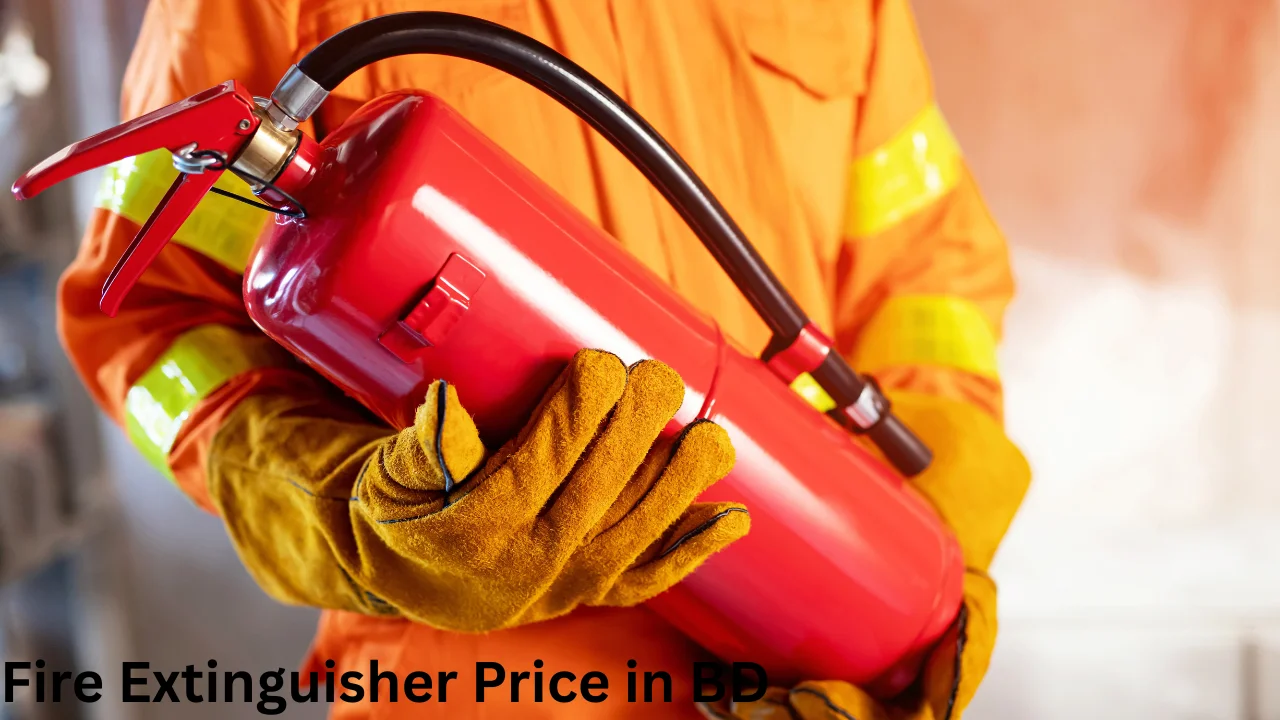
The fire extinguisher price in bd varies widely because an extinguisher is not one single product. Its price depends mainly on the extinguishing agent, cylinder capacity, build quality, valve and hose parts, certification, supplier support, and whether installation or servicing is included. A small unit for a car or kitchen will generally cost less than a larger, certified extinguisher intended for a shop, office, factory, or multi-storey building.
Rather than choosing only by the lowest advertised price, match the extinguisher to the fire risks at the location and confirm that it is serviceable. A cheap unit with an unsuitable agent, unclear label, damaged gauge, or no refill support may provide little real protection.
You May Read: electric guitar price in bd
Fire extinguisher price in BD: the practical answer
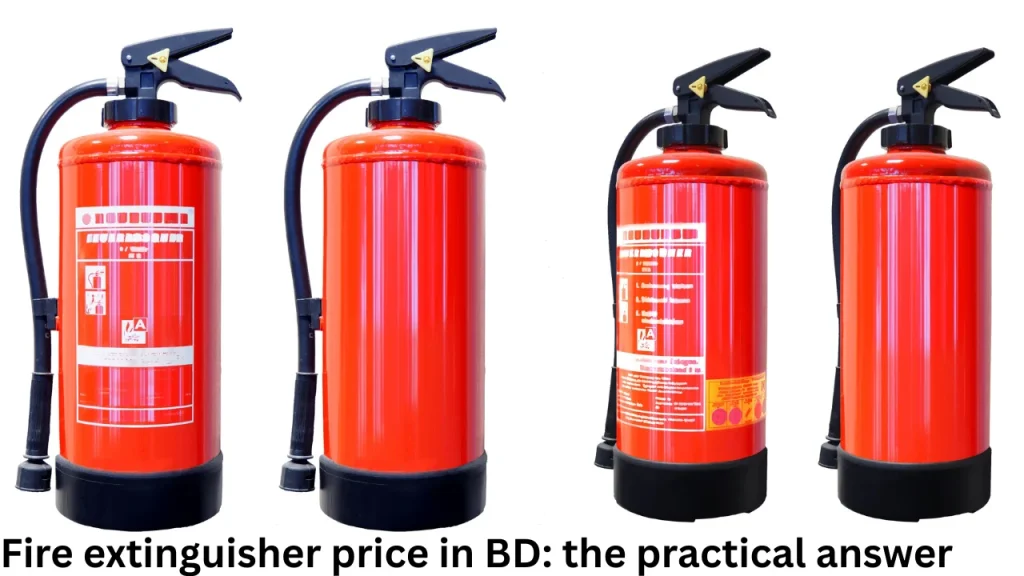
There is no reliable single market price for fire extinguishers in Bangladesh. Retail listings, local dealers, brands, cylinder sizes, and included services can change frequently. Ask suppliers for a written quotation that identifies the extinguisher type, capacity, fire rating where applicable, manufacture or filling date, warranty terms, delivery, installation, bracket, and future refill or maintenance charges.
For a fair comparison, compare like with like. Two extinguishers that look similar may contain different amounts of agent, use different cylinder materials, or have very different servicing support.
What changes the price most?
Several details have a stronger effect on cost than the outside appearance of the cylinder.
- Extinguishing agent: Dry powder, carbon dioxide, foam, water, wet chemical, and clean-agent extinguishers are designed for different hazards and have different construction requirements.
- Capacity: A larger cylinder normally holds more extinguishing agent and costs more. Capacity may be shown in kilograms or litres, depending on the type.
- Fire rating: Where provided, a rating indicates the tested fire classes and scale of fire the unit can address. Do not assume every cylinder of the same size has the same rating.
- Construction and components: The cylinder, valve, pressure gauge, hose, horn, handle, safety pin, and mounting bracket all affect quality and price.
- Certification and documentation: Markings, test information, inspection records, and clear instructions may increase the purchase cost but are meaningful safety features.
- Service package: Delivery, wall mounting, staff familiarization, periodic inspection, refilling, and hydrostatic testing arrangements may be quoted separately or bundled.
- Supplier reliability: A dealer that can inspect and refill the specific model may be more useful than an unfamiliar seller offering a lower initial price.
Common extinguisher types and where they fit
The right type is determined by the material likely to burn. In general, ordinary solid combustibles such as paper, wood, and cloth are often described as Class A fires; flammable liquids as Class B; flammable gases as Class C in many classification systems; and cooking oils and fats as Class F or Class K, depending on the standard used. Electrical equipment needs special care because the electricity should be isolated if it is safe to do so.
| Type | Common intended uses | Key buying consideration |
|---|---|---|
| Dry chemical powder (ABC) | General-purpose coverage for several common fire risks | Often selected for homes, shops, vehicles, and mixed-risk areas; powder residue can damage or contaminate equipment. |
| Carbon dioxide (CO₂) | Flammable-liquid fires and energized electrical equipment | Leaves no powder residue, but the discharge time is limited and it may not be suitable for every location or fire type. |
| Foam | Some solid combustible and flammable-liquid fires | Check the stated fire classes and avoid treating it as a universal choice for live electrical equipment. |
| Water | Ordinary combustible materials such as paper and wood | Not appropriate for flammable liquids, cooking oils, or energized electrical equipment. |
| Wet chemical | Commercial cooking-oil and fat fires | Usually a specialist kitchen product; it should be selected alongside suitable kitchen fire controls. |
| Clean agent | Sensitive electronic or equipment areas, depending on the agent and rating | Usually requires more careful specification and may cost more than a basic general-purpose unit. |
The names and class labels on products can vary by manufacturer and standard. Read the actual label and operating instructions on the unit being quoted. Never select an extinguisher based only on colour, shape, or a seller’s brief description.
Choosing capacity for a home, vehicle, shop, or office
Capacity should reflect the likely hazard, floor area, travel distance to an extinguisher, and the number of people using the space. Larger is not automatically better: a heavy unit may be difficult for some people to lift and operate quickly. Multiple correctly placed extinguishers can be safer than one large unit kept far from the hazard.
Homes and apartments
For a home, identify the highest-risk areas first: the kitchen, electrical distribution area, parking space, and any storage area containing fuels or chemicals. An extinguisher should be accessible on the escape route, not hidden inside a cabinet or placed where a fire could block access to it. Cooking-oil fires need a suitable method; never throw water on burning oil.
Private cars and commercial vehicles
A vehicle extinguisher needs a secure bracket so it does not roll around or become a projectile during sudden braking. It should be reachable without searching through luggage. Confirm that the model is appropriate for the vehicle’s likely fire risks and that the driver understands the safety pin, aiming method, and inspection needs.
Shops, offices, and small businesses
Mixed workplaces may need different types in different areas. A retail floor, electrical room, generator area, pantry, workshop, and storage room can present different hazards. Building management requirements, fire-safety plans, and any applicable authority instructions should guide the final layout rather than a one-size-fits-all package.
Restaurants and commercial kitchens
Commercial cooking introduces oil and grease hazards that need dedicated planning. A portable extinguisher is only one part of protection; cooking equipment, gas shut-off arrangements, staff training, cleaning practices, and any required fixed suppression system also matter. Seek competent fire-safety advice for a commercial kitchen rather than relying on a general-purpose unit alone.
How to compare supplier quotations properly
Request the same information from each seller. This prevents a low quote for a smaller or less-supported product from appearing equivalent to a higher quote.
- State the location and the hazards present, such as cooking oil, paper stock, electrical panels, fuel, or vehicles.
- Ask for the exact extinguisher type, capacity, model, and stated fire rating.
- Check whether the quoted amount includes a mounting bracket, cabinet, sign, delivery, installation, VAT where applicable, and training.
- Ask for the manufacture date or filling date and the expected inspection, service, and refill schedule recommended for that unit.
- Confirm who will service it later and whether replacement parts, seals, gauges, hoses, and refills are available.
- Inspect the physical unit before accepting delivery: label, safety seal, pin, hose or horn, gauge where fitted, cylinder condition, and service tag should all be present and legible.
Why the cheapest extinguisher can be a poor purchase
Fire equipment is only useful if it works at the moment it is needed. A very low price can reflect old stock, uncertain contents, weak after-sales support, missing accessories, poor storage, or an extinguisher that is not suitable for the intended hazard. These risks are not always visible in an online product photo.
Be cautious of units with no clear operating label, unreadable dates, corrosion, broken tamper seals, a missing pin, a damaged hose, or a pressure gauge outside its normal operating area. For a pressurized extinguisher, do not attempt to open, repair, refill, or test it yourself. Use a competent fire-equipment service provider.
Purchase cost is only part of the budget
An extinguisher requires ongoing attention. Include inspection, maintenance, refilling after discharge, replacement of damaged parts, and eventual replacement or pressure testing as recommended by the manufacturer and applicable safety requirements. The correct intervals depend on the product, its agent, how it is stored, and local requirements.
For businesses, allow for signs, brackets or cabinets, an equipment register, staff instruction, and regular checks. These costs help ensure an extinguisher remains visible, accessible, and ready for use instead of becoming forgotten wall equipment.
Safe placement and basic use
Place extinguishers where people can reach them quickly while moving toward an exit. Keep them visible, clearly marked, protected from damage, and away from conditions that may cause corrosion or excessive heat. Do not block them with stock, furniture, or parked vehicles.
If a fire is small and there is a safe escape route, follow the instructions printed on the extinguisher. A common operating method is to remove the safety pin, aim at the base of the fire, squeeze the handle, and sweep the discharge across the base. This is not a substitute for training, and the label on the actual extinguisher takes priority.
Do not fight a fire if smoke is heavy, the fire is spreading, you do not have a clear exit, the extinguisher is unsuitable, or you are unsure how to use it. Alert others, leave the area, and contact the fire service. Never re-enter a building simply to retrieve property or attempt another discharge.
Questions to ask before placing an order
- Which fire hazards is this extinguisher rated or intended to address?
- What is the agent type and net capacity?
- Is it new stock, and are the date markings clear?
- What is included in the quoted price?
- Who will inspect, maintain, and refill this exact unit?
- What should be done after even a brief discharge?
- Can the supplier provide clear operating instructions and a service record?
Frequently asked questions
Which extinguisher is best for a home in Bangladesh?
It depends on the home’s risks. A general-purpose dry powder extinguisher is commonly considered for mixed ordinary fire risks, but kitchens, electrical equipment, and cooking oil may need different protection. Check the extinguisher label and seek competent advice for unusual risks.
Can a CO₂ extinguisher be used on electrical fires?
CO₂ extinguishers are commonly intended for energized electrical equipment and flammable liquids, subject to the product label. They are not a universal choice for all fires, and electricity should be isolated when it is safe to do so.
Does an extinguisher need refilling if it was used briefly?
Yes. Any discharge can reduce the available agent or affect pressure. Arrange inspection and servicing before returning the unit to service.
How often should an extinguisher be checked?
Check the manufacturer’s instructions, service label, and applicable building or fire-safety requirements. Visual checks should also look for obstruction, damage, corrosion, a missing seal or pin, and gauge concerns where a gauge is fitted.
Is a fire extinguisher enough for a business?
No. A business may also need suitable exits, alarms, signs, electrical and gas safety controls, staff procedures, and fire-risk planning. The required measures depend on the premises and its hazards.
Making a sensible buying decision
A sensible comparison of fire extinguisher price in bd looks beyond the initial cylinder cost. Choose the correct agent and capacity for the hazard, verify the product details and condition, include mounting and maintenance in the budget, and buy from a supplier able to support the unit after delivery. The aim is not simply to own an extinguisher, but to have one that is accessible, suitable, and ready if a small fire occurs.